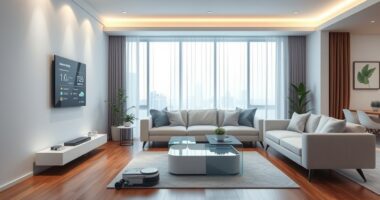
Choosing between maximalism and minimalism depends on understanding your personality, lifestyle, and aesthetic preferences. If you thrive on vibrant, layered spaces that express creativity, maximalism might suit you. If you prefer calm, clean, and uncluttered environments, minimalism could be better. Remember, there’s no need to stick to one style permanently—mixing elements can create harmony. To discover the perfect balance without regret, explore how these styles can evolve as you do.

Get the little things that make your day delivered free with Prime
- Fast, free delivery on millions of items
- Prime Video, Amazon Music and more included
- Member-only deals all year
Key Takeaways
- Reflect on your personal traits and lifestyle to determine which style aligns with your preferences for expression or simplicity.
- Experiment gradually by blending elements from both styles to see what feels most comfortable and authentic.
- Consider your space’s purpose and how each style impacts functionality, comfort, and emotional well-being.
- Use shared aesthetic preferences, such as color palettes and textures, to create a balanced approach that suits you.
- Regularly reassess your environment and be open to evolving your style as your tastes and personal growth change.
As an affiliate, we earn on qualifying purchases.
What Are Maximalism and Minimalism?

Have you ever wondered what sets maximalism and minimalism apart in design and style? These decor styles reflect two contrasting design philosophies. Maximalism embraces bold, vibrant expressions, layering patterns, colors, and textures to create a lively, personalized space. It’s about making a statement and showcasing personality through excess. In contrast, minimalism champions simplicity and clean lines, focusing on functionality and essential elements. Its design philosophy emphasizes “less is more,” stripping away clutter to achieve calm and order. Maximalist spaces feel energetic and expressive, while minimalist ones evoke serenity and clarity. Understanding these foundational differences helps you recognize the core principles behind each style, setting the stage for choosing the decor style that truly resonates with your taste and lifestyle. Incorporating effective personal finance planning strategies can help you achieve a balanced lifestyle that complements your aesthetic preferences. Additionally, exploring AI-driven design tools can assist you in visualizing and customizing your ideal space, whether maximalist or minimalist. For example, selecting the right electric bike can also reflect your personal style and needs, balancing performance and design preferences. Recognizing your spiritual preferences may also influence your decor choices, creating a space that nurtures your well-being and aligns with your values. Exploring adaptive design strategies can further enhance your ability to craft a space that truly fits your unique personality and lifestyle.
Which Style Fits Your Personality and Lifestyle?
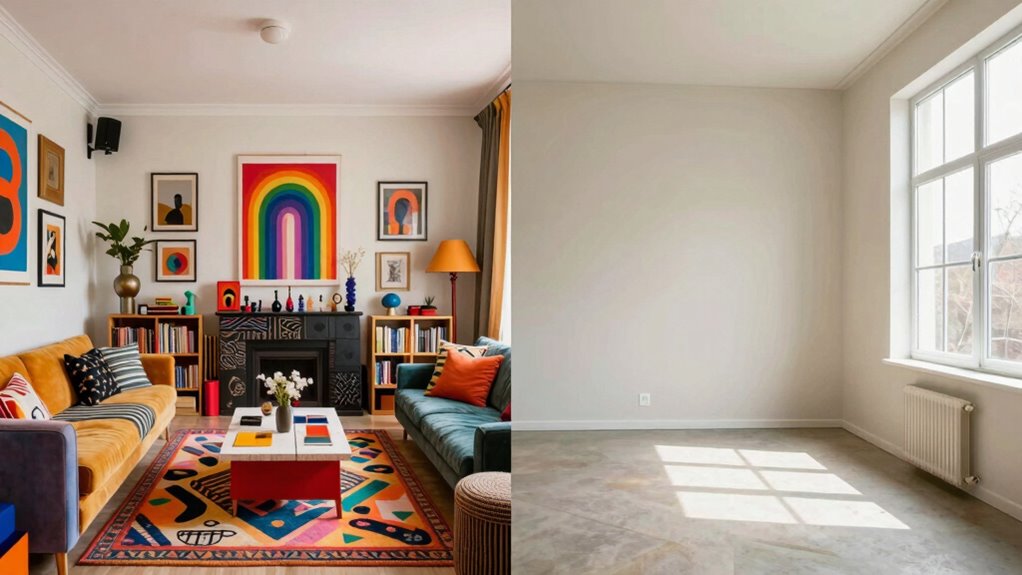
Choosing between maximalism and minimalism ultimately reflects your personality and lifestyle. If you’re someone who thrives on vibrant, layered spaces filled with meaningful objects, maximalism might suit your personality traits of creativity and expressiveness. Your lifestyle preferences likely involve a love for variety, visual stimulation, and a dynamic environment. On the other hand, if you value simplicity, organization, and calm, minimalism aligns with personality traits like practicality and focus. Your lifestyle may favor clutter-free spaces that promote clarity and efficiency. Think about how you want to live and feel in your environment. Do you find comfort in visual richness or in clean, open spaces? Your personality traits and daily habits will guide you toward the style that best fits your unique life.
Pros and Cons of Maximalist and Minimalist Design
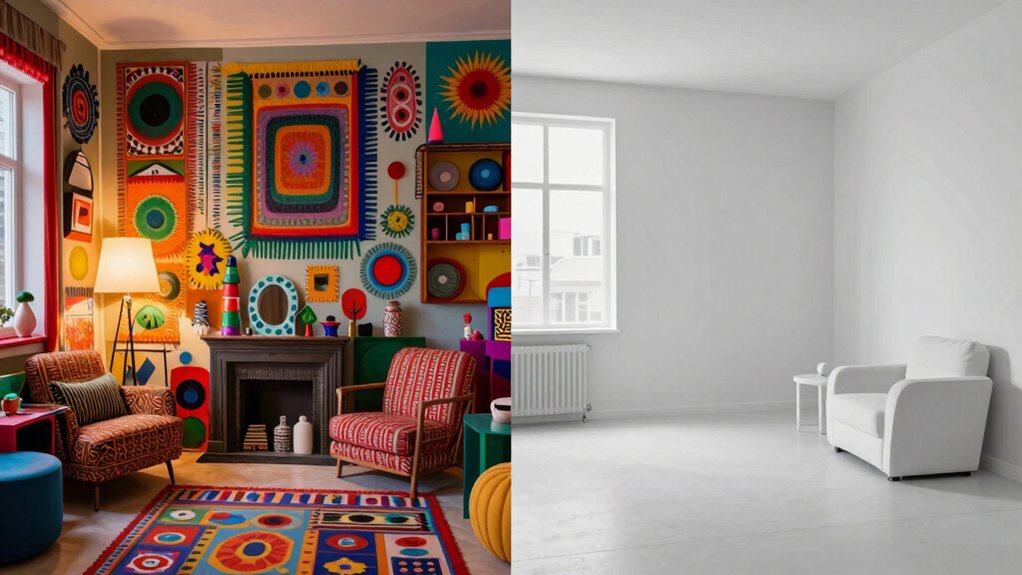
Maximalist and minimalist designs each come with distinct advantages and drawbacks that can influence how you feel in your space. Maximalism offers the joy of abundant decorative accessories and bold color palettes, creating lively, personalized environments. However, it can feel cluttered or overwhelming if not carefully curated. Minimalism promotes simplicity, clean lines, and neutral color palettes, making spaces feel calm and organized. Still, it might seem sterile or lack personality for some. Maximalist spaces encourage creativity and self-expression but can be harder to maintain. Minimalist environments are easier to keep tidy but risk feeling cold or impersonal. Understanding different design philosophies can help you make a more informed decision aligned with your personal style and needs. Additionally, considering professional guidance can assist in balancing these styles to suit your lifestyle without regret. Exploring concepts like sound healing science and incorporating calming sounds can further enhance your chosen environment, making it more harmonious and tailored to your well-being. Incorporating color therapy techniques can also positively influence the mood and energy of your space, whether maximalist or minimalist. Furthermore, integrating automation tools can streamline your environment, making maintenance easier and more efficient.
How to Mix and Match Maximalism and Minimalism Without Regret
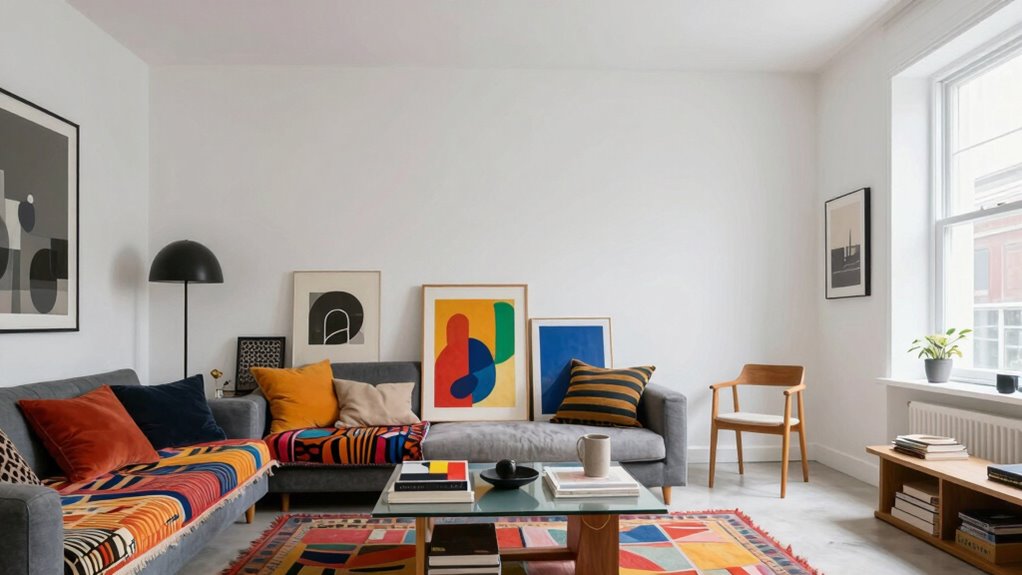
To successfully blend maximalism and minimalism, you need to find common ground that ties the styles together. Use contrast to create visual interest without overwhelming your space, balancing bold pieces with simple ones. Start small by mixing a few elements and gradually expand as you discover what works best for you. Incorporating small-space interior design principles can help you optimize your layout and ensure a cohesive look. Additionally, understanding how performance cookies track visitor interactions can inspire you to create a more engaging and user-friendly environment. Exploring cultural decor ideas can also add meaningful accents that bridge the two styles harmoniously. Recognizing the importance of design harmony can further guide you in achieving a balanced and satisfying aesthetic.
Find Common Ground
Blending maximalism and minimalism might seem challenging, but it’s entirely possible to create a balanced space that reflects both styles. Start by identifying shared aesthetic preferences, like color palettes or textures, that resonate with you. These common elements serve as a foundation, making the space feel cohesive rather than conflicting. Focus on building an emotional connection through meaningful decor, whether it’s a bold piece that sparks joy or simple, serene accents. By aligning your favorite features from each style, you create harmony without sacrificing personality. Remember, it’s about blending rather than overpowering. Finding common ground helps you enjoy the best of both worlds, making your space uniquely yours—dynamic yet calming, expressive yet uncluttered. Incorporating diverse decor styles can also add depth and interest without overwhelming the senses. Embracing emotional well-being in your design process can foster a more fulfilling environment that nurtures your mental health.
Balance Through Contrast
Finding the right balance between maximalism and minimalism requires thoughtful contrast that highlights the strengths of each style. You can achieve this by focusing on color harmony—pairing bold, vibrant hues with subdued tones to create visual interest without overwhelming. Texture layering also plays a vital role; combining smooth surfaces with tactile, textured elements adds depth and dimension. For example, a clean minimalist background can serve as a canvas for a maximalist art piece or statement decor, creating a striking focal point. Additionally, understanding visual hierarchy helps in emphasizing key elements and maintaining harmony between the two styles. Incorporating design principles such as balance and proportion ensures that neither style overpowers the space. A conscious application of contrast techniques can further enhance the visual appeal and clarity of the overall design. The key is to let each style complement rather than compete with the other. By intentionally mixing simple and elaborate elements, you craft a space that feels dynamic, balanced, and visually engaging without regret.
Start Small and Expand
Starting with small, intentional choices allows you to seamlessly mix maximalist and minimalist elements without feeling overwhelmed. Begin by focusing on one area, like a coffee table or a gallery wall, and use decorative layering to add depth. For example, you might:
- Choose a neutral color palette for larger pieces to keep the space calm.
- Add a few bold, patterned accessories or artwork to introduce maximalist flair.
- Mix textures and materials, like sleek metals with plush textiles, to create visual interest.
- Incorporate cable management solutions to ensure your space remains tidy and cohesive as you expand your decor.
Additionally, understanding auditory processing can inspire how you approach visual layering, helping you create a harmonious environment that appeals to multiple senses. Paying attention to sensory integration can further enhance the overall balance and comfort of your space. Incorporating visual hierarchy principles can help you prioritize focal points and maintain clarity as your decor evolves.
This approach helps you balance the richness of maximalism with the simplicity of minimalism. As you get comfortable, expand gradually—adding more layered decor or vibrant hues—without sacrificing harmony or clarity.
Steps to Transition From Maximalism to Minimalism

Moving from maximalism to minimalism requires intentional steps to simplify your space and mindset. Begin by decluttering one area at a time, focusing on what truly adds value or joy. This process promotes personal growth by challenging your attachment to possessions and encouraging reflection on what matters most. As you streamline your environment, you’ll build emotional resilience, learning to let go of excess and embrace simplicity. Set clear goals for your minimalism journey, like reducing items by a certain percentage or creating a dedicated space for essentials. Practice mindful consumption, questioning each purchase’s necessity. Incorporating techniques such as space optimization can further enhance your environment. Recognizing the Twin Flame connection or signs of spiritual growth can motivate you to pursue a more intentional lifestyle. Developing your financial literacy can also help you make smarter choices that support your minimalism goals. Additionally, understanding the importance of intentional living can guide your decisions towards a more focused and meaningful existence. Over time, these small, deliberate changes will help you cultivate clarity, reduce overwhelm, and foster a more intentional, balanced lifestyle aligned with minimalism principles.
Common Mistakes When Choosing Your Interior Style
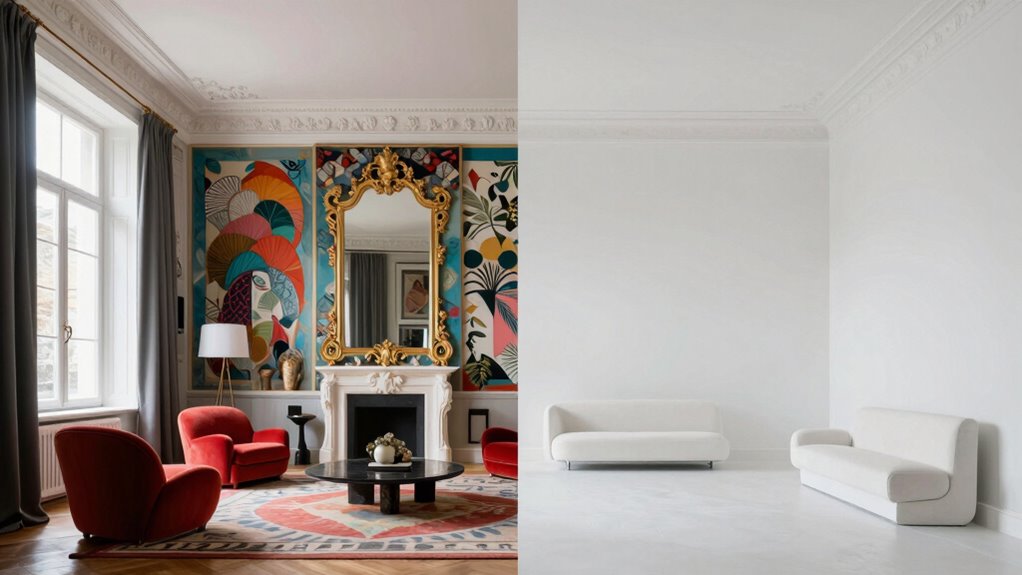
Choosing an interior style without careful consideration can lead to a space that feels disjointed or unstylish. Common mistakes include neglecting color psychology, which impacts mood and harmony, rushing furniture selection, and ignoring scale. Picture these errors:
Avoid rushing your interior choices; balance color, scale, and style for a cohesive, stylish space.
- Using bold colors everywhere, causing visual chaos instead of balance.
- Picking furniture that clashes in style or size, making the room feel awkward.
- Overloading a space with accessories or clutter, losing its minimalist or maximalist vibe.
To avoid this, focus on cohesive color schemes that evoke the right feelings and choose furniture that complements your style and the room’s proportions. Remember, your choices should enhance flow and comfort rather than create confusion or imbalance.
How to Evolve Your Style Over Time and Stay Flexible
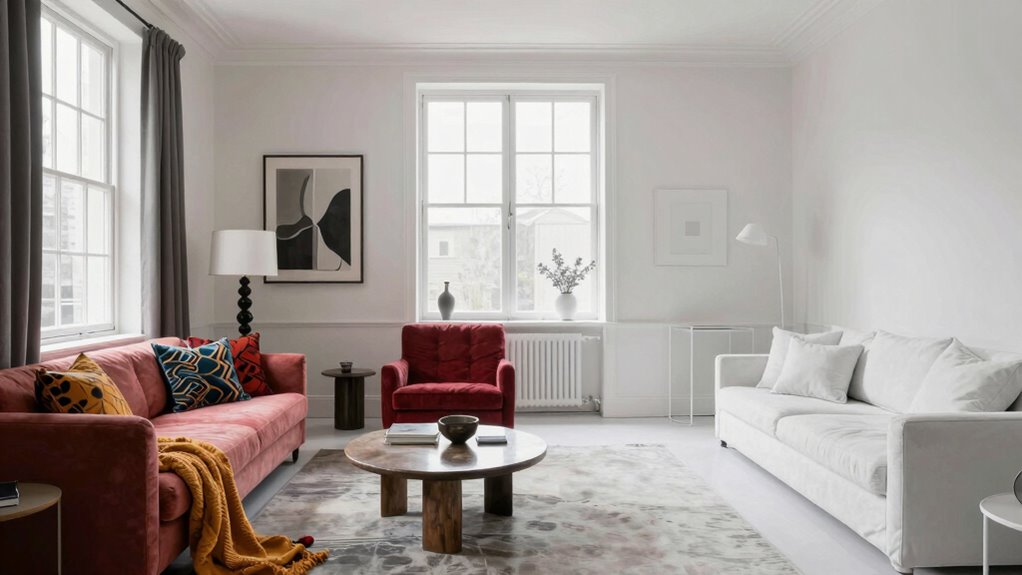
As your tastes and needs evolve, so should your interior style, ensuring your space remains a true reflection of who you are. Embrace personal growth by regularly reassessing your environment and making intentional updates. Staying flexible means experimenting with new decor elements or shifting between minimalism and maximalism as your evolving tastes guide you. Don’t feel pressured to stick to one style forever; instead, see your home as a canvas that adapts with you. Incorporate versatility by choosing neutral bases or modular furniture that can be easily changed. This approach allows your space to grow with you, maintaining harmony between comfort and self-expression. Flexibility keeps your environment fresh, meaningful, and aligned with your current stage of personal growth. Design versatility enables you to effortlessly switch styles and adapt to new preferences over time.
Frequently Asked Questions
Can You Combine Elements of Both Styles in One Space?
Yes, you can combine elements of both styles through layer blending and style fusion. Use contrasting textures and colors to create visual interest, blending maximalist pieces with minimalist ones for balance. Mix bold patterns with simple lines, and experiment with different materials. This approach allows you to craft a unique space that reflects your personality, seamlessly integrating the energy of maximalism with the calm of minimalism.
How Does Budget Influence Choosing Between Maximalism and Minimalism?
Think of your budget like a compass guiding your style choice. If you have tight constraints, minimalism often offers affordability considerations with fewer pieces and simpler designs. I once renovated on a budget and opted for minimalism, saving money while maintaining style. Conversely, maximalism’s rich textures and bold pieces can quickly escalate costs. So, your budget directly shapes whether you lean toward simplicity or extravagance, ensuring your style stays financially comfortable.
Are There Cultural Factors Impacting Style Preferences?
Cultural influences and regional aesthetics heavily impact your style preferences. You might find yourself drawn to vibrant colors and elaborate details if your background values maximalism, or prefer clean lines and simplicity if minimalism aligns with your culture. Recognizing these cultural factors helps you choose a style that feels authentic, ensuring you won’t have regrets. Embracing your roots allows your personal aesthetic to reflect your identity naturally.
How Do Children or Pets Affect Interior Style Choices?
Children and pets influence your interior style choices by making you prioritize safety and practicality. You’ll opt for playful decor and family-friendly furniture that withstands wear and tear, while still reflecting your personality. Incorporate durable materials and easy-to-clean surfaces, and choose colorful or fun accessories to keep the space lively and inviting. This way, you create a stylish home that’s perfect for your active, loving family without sacrificing aesthetics.
What Are the Environmental Impacts of Each Design Approach?
You choose minimalism to reduce waste and use sustainable materials, cutting down on excess and promoting eco-friendliness. Alternatively, you opt for maximalism to celebrate recycled decor, repurposing items and minimizing waste. Both approaches impact the environment—minimalism through simplicity and resource efficiency, maximalism through creative reuse and sustainable sourcing. Whichever style you pick, focus on mindful choices that support waste reduction and eco-conscious living.
Conclusion
Ultimately, whether you lean toward maximalism or minimalism, the key is staying true to yourself. Your style should reflect who you are and adapt as you grow. Are you willing to embrace change and find harmony in your space? Remember, there’s no right or wrong—just what feels right for you. So, why settle for one when you can create a space that evolves with your journey? Your perfect style is waiting to be discovered.
Halloween Picks
halloween
As an affiliate, we earn on qualifying purchases.